
There are some dishes that are more than just food – they are a piece of our childhood, a reminder of family gatherings, and a comfort we run to after a long day. For many of us, Punjabi Kadhi Pakora is exactly that dish.
Do you remember coming home from school on a rainy day, drenched in water, and the smell of kadhi simmering in the kitchen making you forget everything else.“Remember those lazy Sunday afternoons, when the family gathered close, warm kadhi ladled lovingly over fluffy rice, and the room filled with the sound of shared stories and laughter?”
That’s the magic of kadhi. It is not just tangy curd and besan slow-cooked with spices – it is love served in a bowl.
Ingredients You’ll Need
Like every home-cooked meal, the ingredients are simple, but the love you add makes all the difference.
Following are the ingredients to make Kadhi Base
- 2 tbsp oil
- 1 tsp cumin seeds
- 2 tsp methi dana (fenugreek seeds)
- 2 tsp sabat dhania (whole coriander seeds)
- 1 medium onion (finely chopped)
- 1 liter lassi or curd
- 2 cups besan (gram flour)
- 4–5 curry leaves
- 2 sabat laal mirch (whole red chilies)
- 3 tbsp salt (adjust to taste)
- 1 tsp haldi (turmeric powder)
- 2 tsp dhania powder (coriander powder)
- 1 liter more lassi or curd
- 3 glasses of water
- For Final Tadka (The Secret Touch)
- 4–5 tbsp butter
- 7–8 garlic cloves
- 7–8 green chilies (adjust to taste)
- ½ cup fresh dhania (coriander leaves)
- ¼ cup pudina (mint leaves)
- For Pakoras (Optional but makes it heavenly)
- 1 cup besan
- Chopped onions or spinach (optional)
- Salt & chili powder to taste
- Oil for frying
Follow these steps by step to make authentic Punjabi Kadhi Pakora
Step 1: Preparing the Kadhi Mix – A Ritual of Love
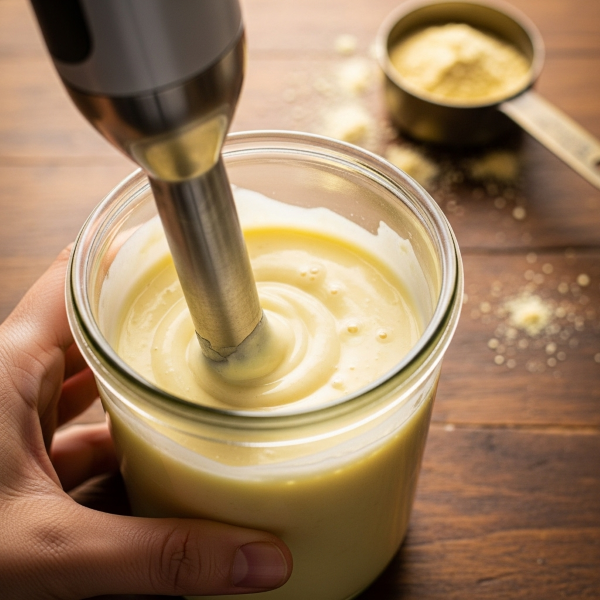
Take 1 liter of lassi (or curd) in a jar, add 2 cups of besan, and blend until silky smooth. This moment is almost like a promise – that the kadhi will come out lump-free, creamy, and soul-soothing.
Step 2: The First Tadka – Where Aroma Begins
Heat oil in a cooker. Add jeera, methi dana, and sabat dhania. The aroma that rises will instantly remind you of your mother or grandmother busy in the kitchen.
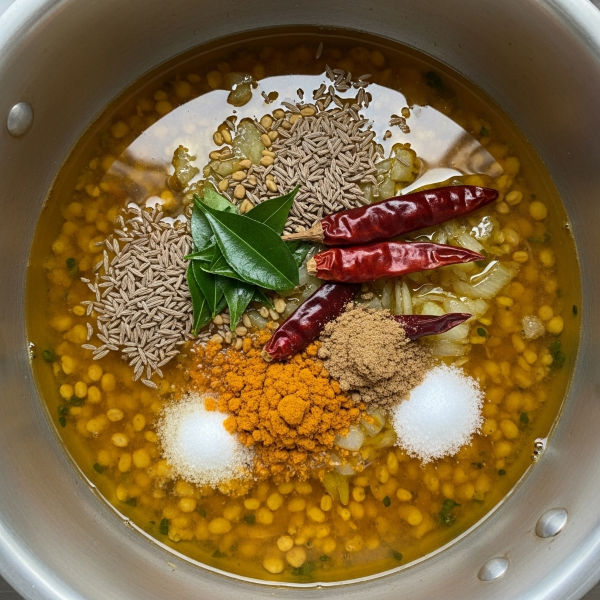
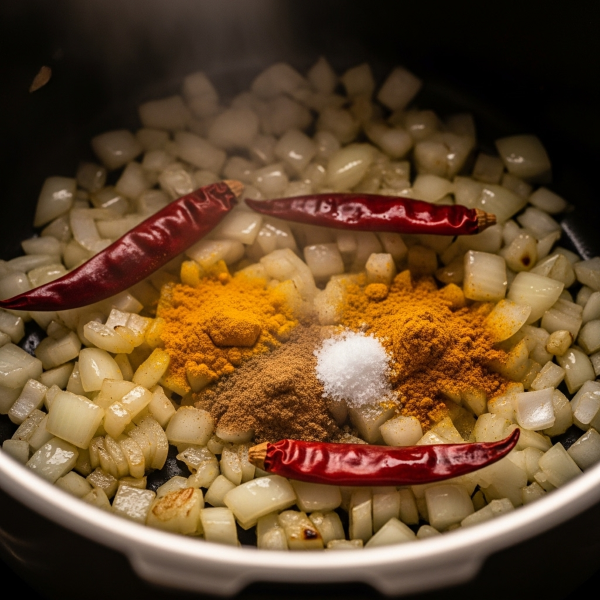
Next, add onions and watch them turn golden, just like those golden evenings at home. Drop in curry leaves, sabat laal mirch, haldi, dhania powder, and salt.
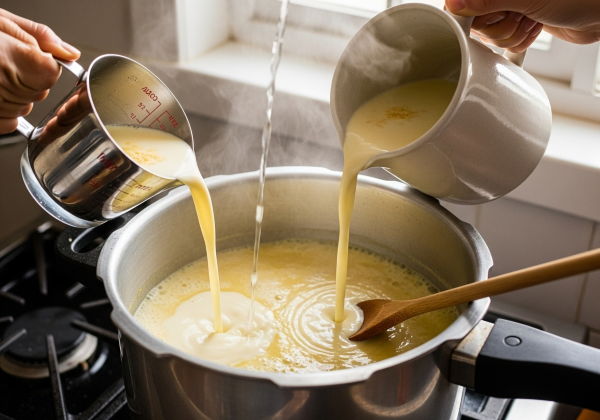
Now gently pour in the lassi-besan mix, then another liter of lassi and 3 glasses of water. Let it cook slowly for 3–4 hours. This is the beauty of kadhi – it teaches us patience.
Step 3: The Flavorful Tadka – The Final Hug
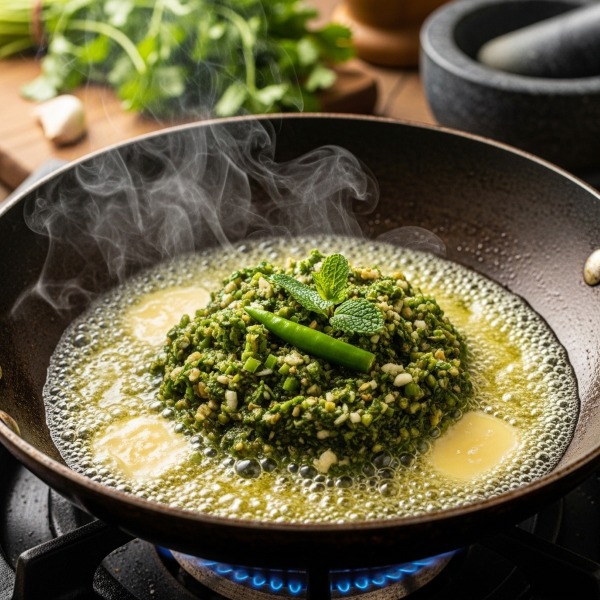
Grind together garlic, fresh coriander, pudina, and green chilies into a paste. Heat butter in a pan, add the paste, and let it cook until it fills your kitchen with heavenly fragrance.
Pour this sizzling tadka into the kadhi – and listen to the sound. That crackling, bubbling moment is pure joy, almost like the laughter of family gathered around.
Step 4: Pakoras – The Surprise in Every Bite
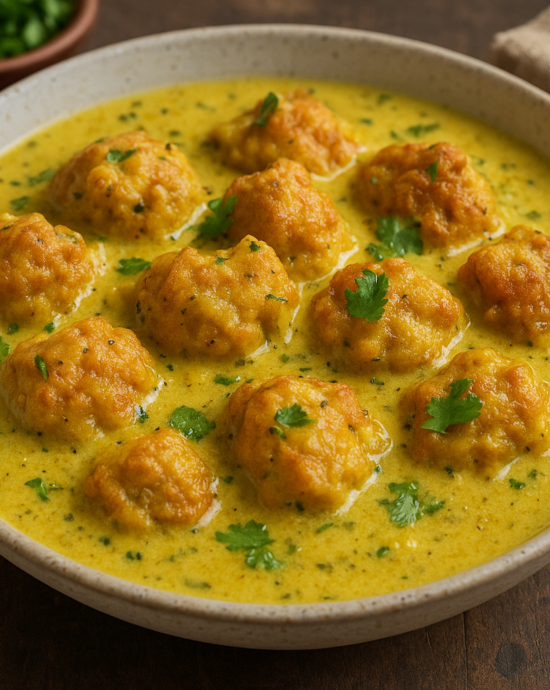
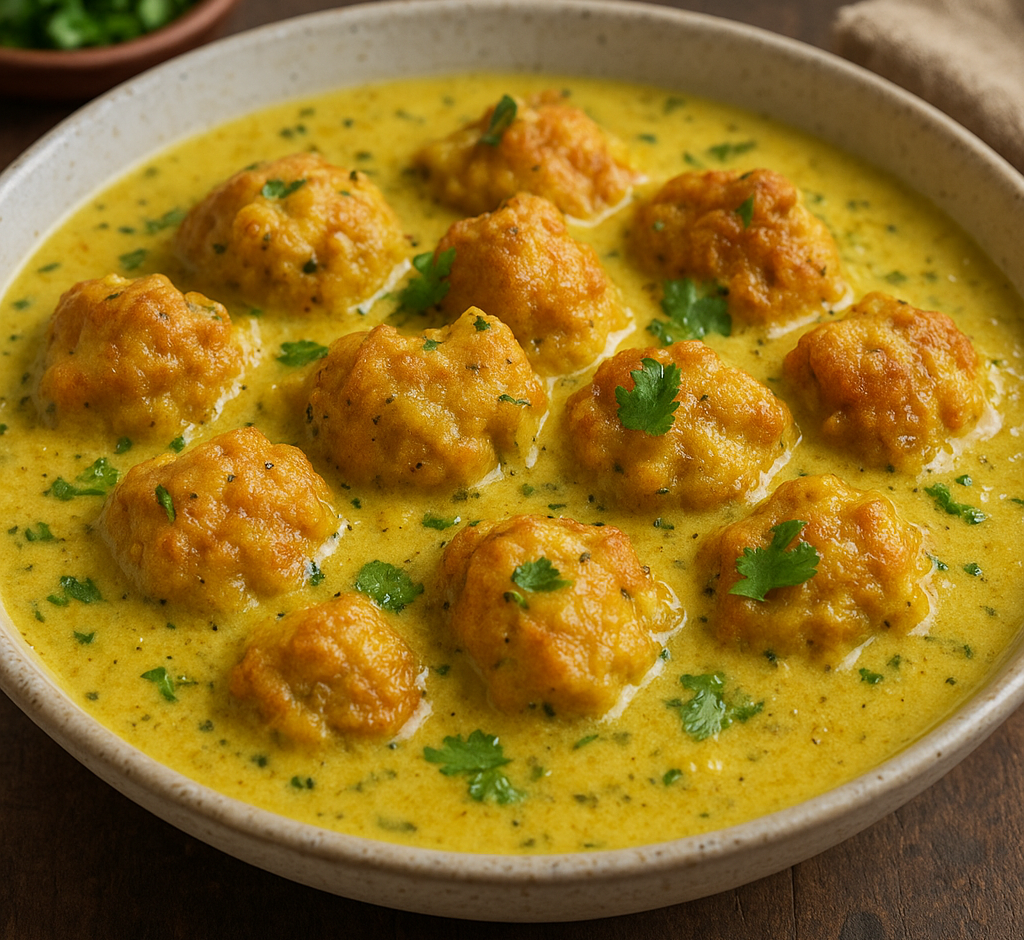
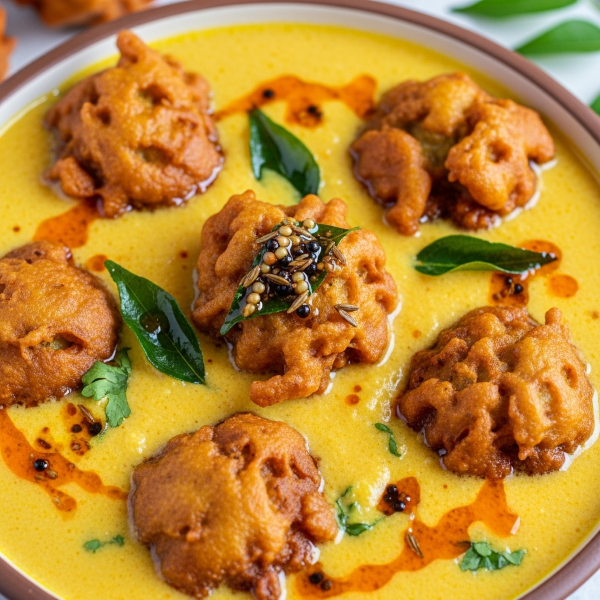
If you want to make it extra special, fry some crispy besan pakoras and drop them into the kadhi just before serving. 
Every spoonful will now hold a little surprise – soft pakoras soaked in tangy kadhi.
Serving Kadhi – A Family Tradition
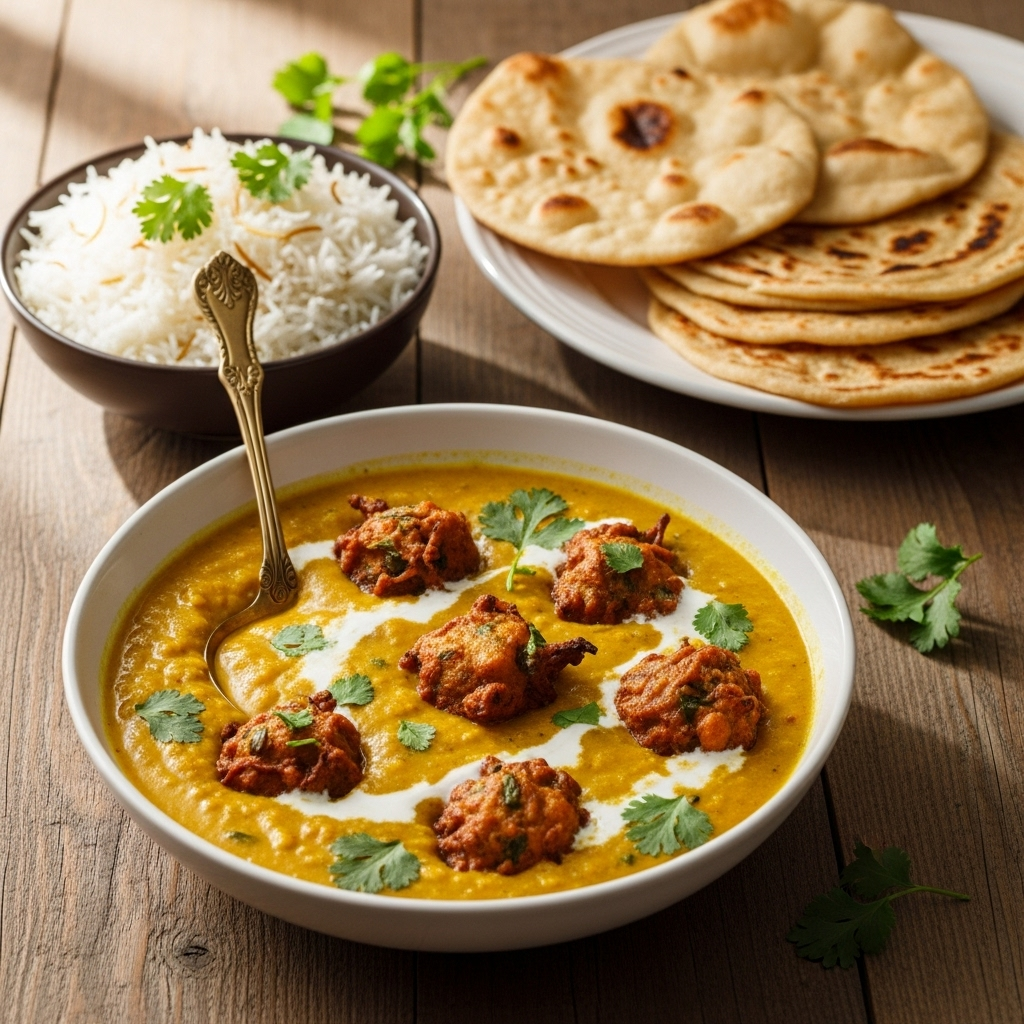 Punjabi Kadhi tastes best with steamed rice. Some like it with jeera rice, while others enjoy it with hot phulkas or parathas. But no matter how you serve it, kadhi always brings people together. It’s not just food, it’s tradition, comfort, and love shared at the dining table.
Frequently Asked Questions
Q1. Why is kadhi considered a comfort food?
Because it reminds us of home – its simplicity, warmth, and the love of family.
Q2. Can kadhi be made quickly?
Yes, but the slow-cooked version has unmatched flavor. The longer you cook, the richer it gets.
Q3. What’s the best way to enjoy kadhi?
With hot rice on a rainy day, or with pakoras on a Sunday family lunch.
Q4. How do I reduce kadhi’s sourness?
Add a pinch of sugar or more besan slurry to balance it.